When you’re travelling around Italy, there is no doubt you will need some information to help you get to where you want to go. Whether you’re in a big city or a small town, it’s always useful to know some basic phrases to ask the locals. In order to ask… Read More
This week we are looking at two words which may be confused by learners of English: produce and product. produce Produce is usually a verb, pronounced /prəˈdjuːs/. To produce a result or effect means to cause it to happen. His comments produced an angry response. The… Read More
This series of weekly blogs takes a closer look at words from our French dictionaries. The word we're focusing on this week is the French adverb 'non'. Read More
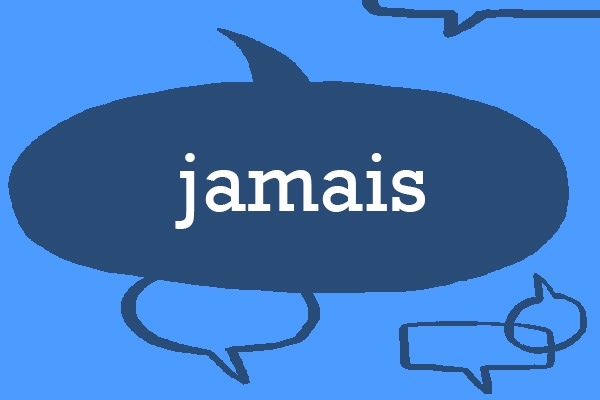
This series of weekly blogs takes a closer look at words from our French dictionaries. The word we're focusing on this week is the French adverb 'jamais'. Read More
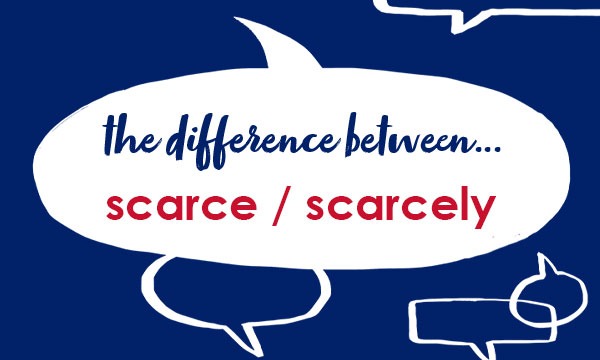
This week we are looking at two words which may be confused by learners of English: scarce and scarcely. scarce Scarce is an adjective. If something is scarce, very little of it is available. The desert is a place where water is scarce. Good quality… Read More
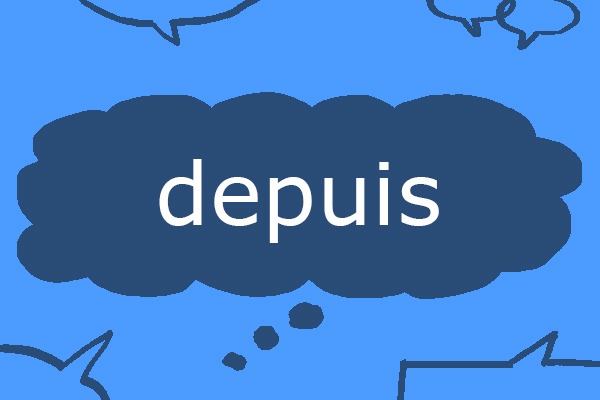
This series of weekly blogs takes a closer look at words from our French dictionaries. The word we're focusing on this week is the French word 'depuis'. Read More

collins_dictionary_official
The home of living language. #wotd #wordlovers #collinsdictionary
Read our word of the week definitions and blog posts: